On July 4, 2025, a delegation of the CSTO Secretariat visited the Central Military-Patriotic Park of Culture and Recreation of the Armed Forces of the Russian Federation "Patriot".
The Kyrgyz President Sadyr Japarov received the Ministers of Foreign Affairs of the CSTO member states and the Secretary General of the Organization in Cholpon-Ata on June 30. The meeting was attended by the Foreign Ministers of Kyrgyzstan, Belarus, Kazakhstan, Russia and Tajikistan.
On June 30, 2025, a regular meeting of the CSTO Council of Foreign Ministers was held in Cholpon-Ata (the Kyrgyz Republic) under the chairmanship of the Kyrgyz side, which was attended by the Organization's Secretary General Imangali Tasmagambetov.
Safar Umarzoda, Head of the Department for Countering Challenges and Threats of the CSTO Secretariat, took part in a special event (side-event) on "Countering Radicalization leading to terrorism and Extremism" organized by the Russian Federation on the margins of the OSCE Annual Conference on Security Review, where he reported on the measures taken by the CSTO on countering terrorism and extremism, and willingness to share the experience gained.
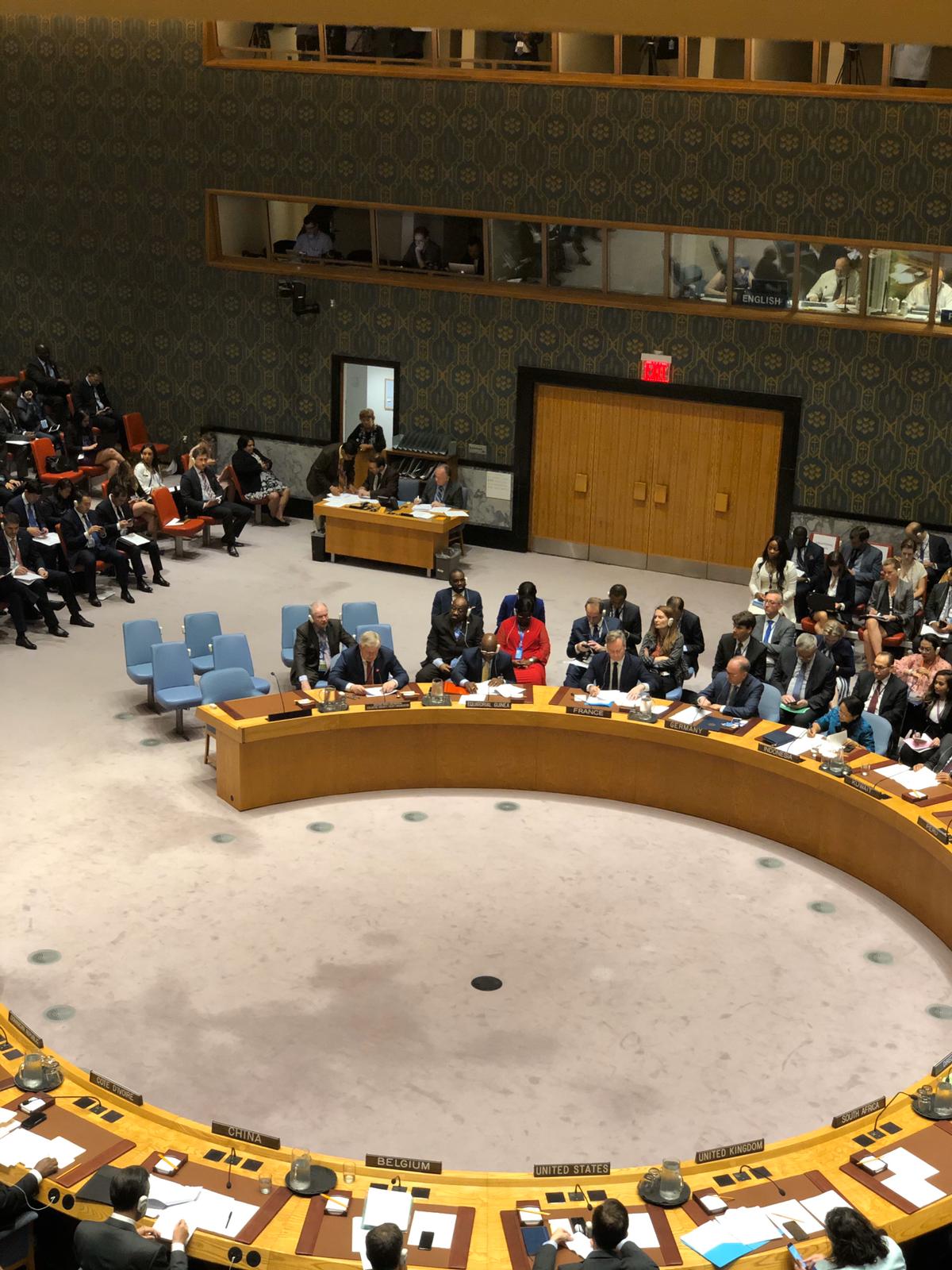
The CSTO Acting Secretary General delievered a speech in the UN Security Council
 25.09.2019
A meeting of the UN Security Council was held on September 25 at the United Nations headquarters in New York on the theme “UN cooperation with regional and subregional organizations in the maintenance of international peace and security: contribution of the CSTO, the CIS and the SCO to countering terrorist threats”. The Russian Federation, which chairs the Council in September of this year, considered the issue for discussion as one of the most urgent in the light of the global nature of the challenge that international terrorism poses today to humanity.
The debate at a high level - with the participation of the foreign ministers of states included in the mentioned regional organizations as well as the heads of the UN specialized structures, confirmed the relevance of the efforts of regional organizations coordinated between themselves and with the world organization in the framework of the UN Global Counter-Terrorism Strategy.
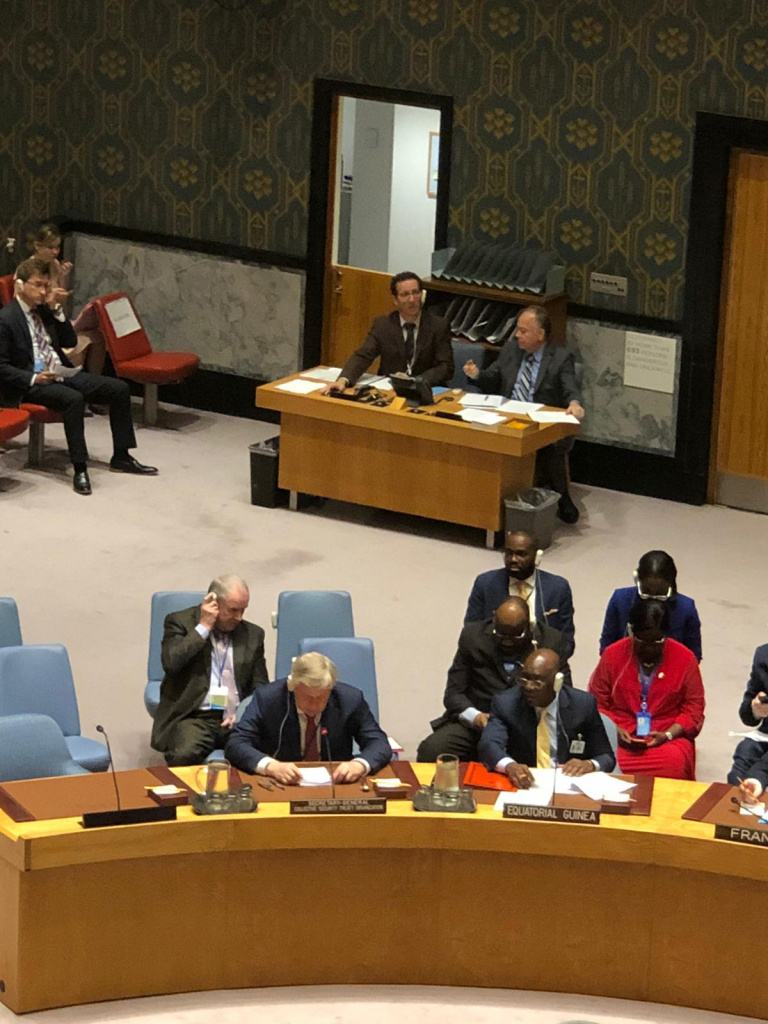 The acting Secretary General of the Collective Security Treaty Organization Valery Semerikov was one of the keynote speakers at the meeting. He highlighted the activities of the CSTO in its priority area of countering international terrorism, reporting on the results of a series of joint operational and preventive measures taken in recent months under the code name “Mercenary” ("Naemnik") and regional permanent operations. He noted the detailed elaboration by the CSTO of the “List of additional measures aimed at reducing tensions in the Tajik-Afghan border” prepared for submission to the session of the Collective Security Council in November of this year and the development of the draft CSTO Interstate Program for strengthening the Tajik-Afghan border.
Valery Semerikov informed that in accordance with the established procedure for approval by the CSC in November, the "Collective Action Plan of the CSTO member states on the implementation of the UN Global Anti-Terrorism Strategy 2019-2021" prepared by the Organization’s specialized structures and agreed by the representatives of its member states is submitted. The Acting Secretary General of the CSTO emphasized the need to increase collective international efforts to counter terrorism and the spread of terrorist ideology without “double standards” and called for the formation of the broadest anti-terrorism coalition under the auspices of the United Nations on the basis of observance of generally recognized rules and principles of international law.
At the same time, in his speech, the Acting Secretary General of the Collective Security Treaty Organization V.Semerikov emphasized that, along with an analysis of the problems of international security on a global scale, one should not lose sight of the peculiarity of the processes occurring in the regions, that the study of maps of "small scale" should be complemented by work with more detailed “large-scale maps”.
With an integrated global-regional approach to the problems of modern international security, including in the fight against terrorism, it is important not to contrast these components, but to strive to find a dialectical relationship between the general and the particular.
|
The CSTO Press Secretary Vladimir Zaynetdinov +7495-795-27-10, odkb-pressa@gov.ru |