Today, the active phase of the joint exercise with the Collective Rapid Deployment Forces of the Central Asian Region (CRDF CAR) “Frontier-2026” concluded on the territory of the Republic of Kazakhstan.
During the “Conduct of combat operations” stage, two main training objectives are being practiced: the occupation by the national contingents of the CRDF CAR of the area of responsibility and the destruction of illegal armed formations that have invaded the territory of a CSTO member state.
The active phase of the joint exercise with the Collective Rapid Deployment Forces of the Central Asian Region (CRDF CAR) “Frontier-2026” has begun at the Koktal training range in the Republic of Kazakhstan. During the exercise, the participating forces are practicing the preparation and conduct of combat operations to destroy illegal armed formations that have invaded the territory of a CSTO member state.
A quarter of a century together: CSTO celebrates anniversary
29.05.2017
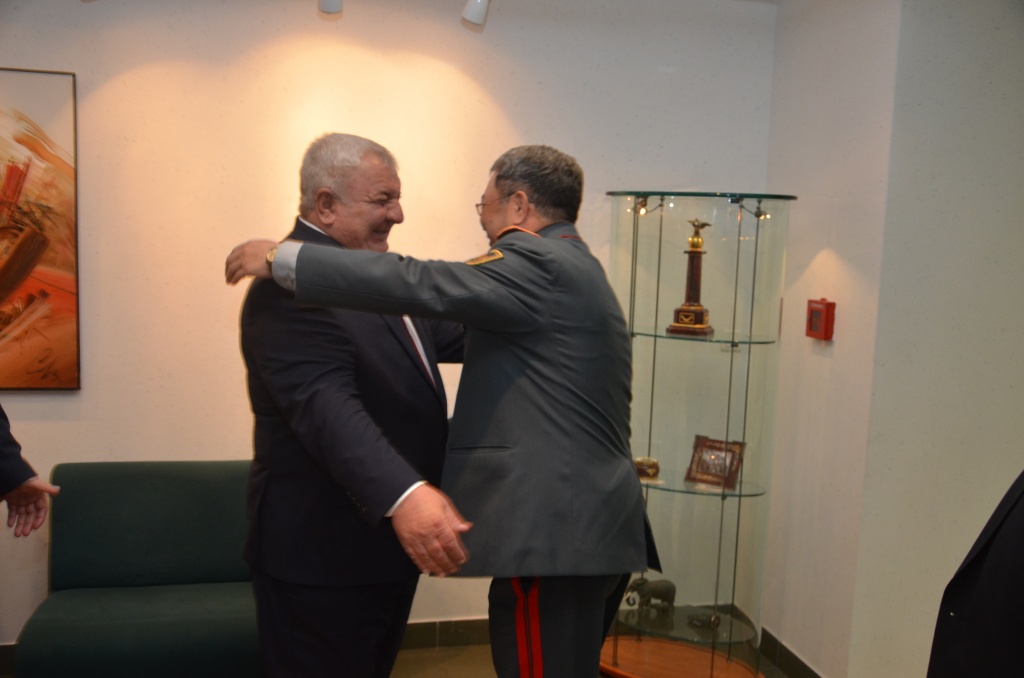
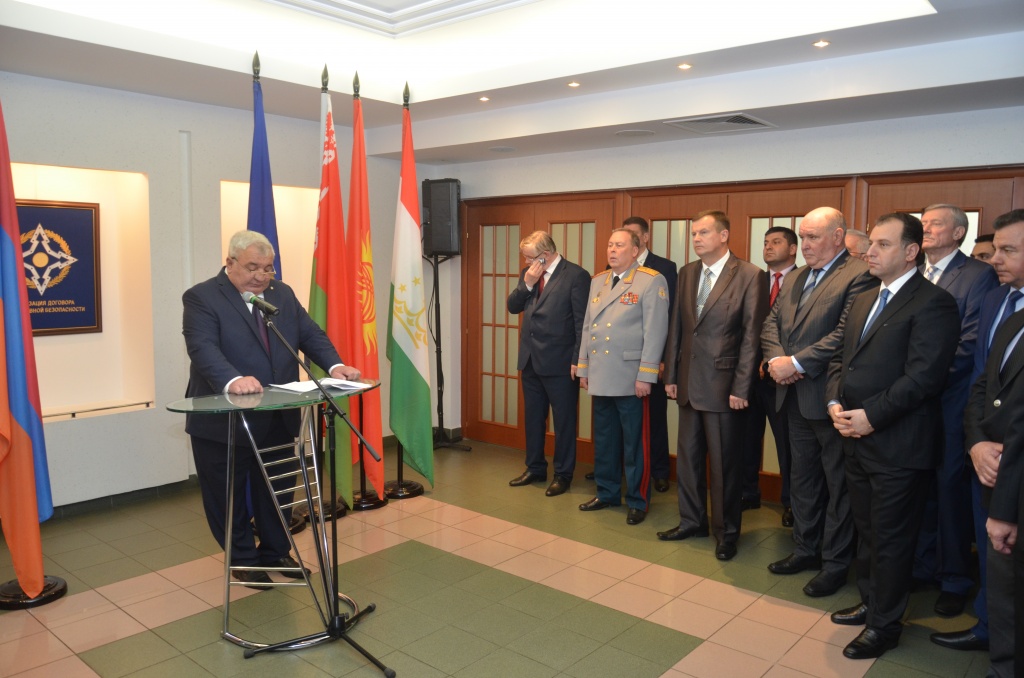

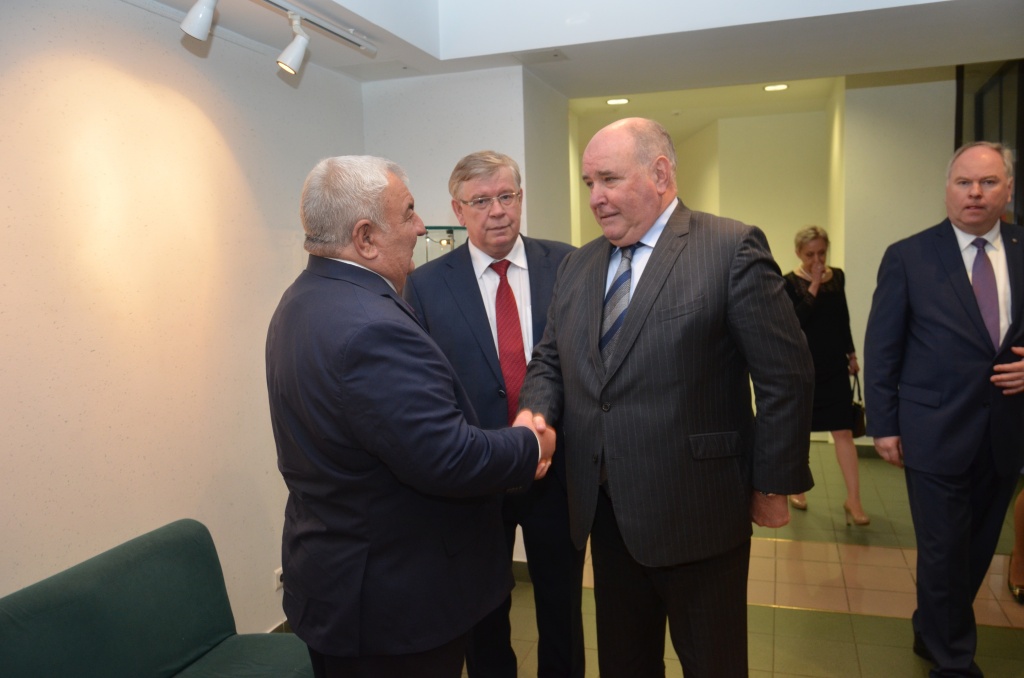
In his greeting, the CSTO Secretary General, Yuri Khachaturov, said:
"Today we celebrate two significant dates - the 25th anniversary of the signing of the Collective Security Treaty and the 15th anniversary of the establishment of the Collective Security Treaty Organization, which today includes the Republic of Armenia, the Republic of Belarus, the Republic of Kazakhstan, the Kyrgyz Republic, the Russian Federation and The Republic of Tajikistan.
A quarter of a century ago, a historic act was signed, declaring the readiness of our states to unite their efforts in strengthening peace, international and regional security and stability, and protecting collectively their independence, territorial integrity and sovereignty.
The collective security system that was subsequently formed in the format of the Organization consists of mutually complementary instruments of political and military cooperation, and mechanisms for counteracting contemporary challenges and threats. The accumulated experience of collective action has allowed the CSTO to become an effective multi-functional regional international organization, one of the authoritative collective institutions in the Eurasian strategic space, said Yuri Khachaturov.
He stressed that in an extremely complex military-political situation, the most important direction of joint activities of the Organization's member states is to strengthen military security. "The guaranteed protection of the Organization’s member states from military threats is ensured by the effective defense capabilities of the CSTO. It is based on: national armed forces; CSTO Troops (Collective Forces), which include coalition and regional military groups; and Peacekeeping Forces," the General Secretary of the Organization.
Yuri Khachaturov stressed that, within the framework of the priority political cooperation for the CSTO, member states are effectively coordinated on the foreign policy track, as evidenced by the adoption of several dozens of joint statements on topical issues on the international agenda at various levels. Cooperation has been established and is developing on topics of mutual interest with such regional and international organizations as the UN, OSCE, CIS, SCO and their specialized institutions.
AT
The CSTO has established and effectively operates a system for coordinating joint activities in the areas of combating terrorism, extremism, drug trafficking, illegal migration from third countries, and ensuring information security.
Practical cooperation to neutralize these threats to the security of the Organization’s member states is carried out in the course of joint special operational and preventive measures: anti-drug - Channel; to counter illegal migration - Nelegal; to ensure the security of electronic information networks - PROXI.
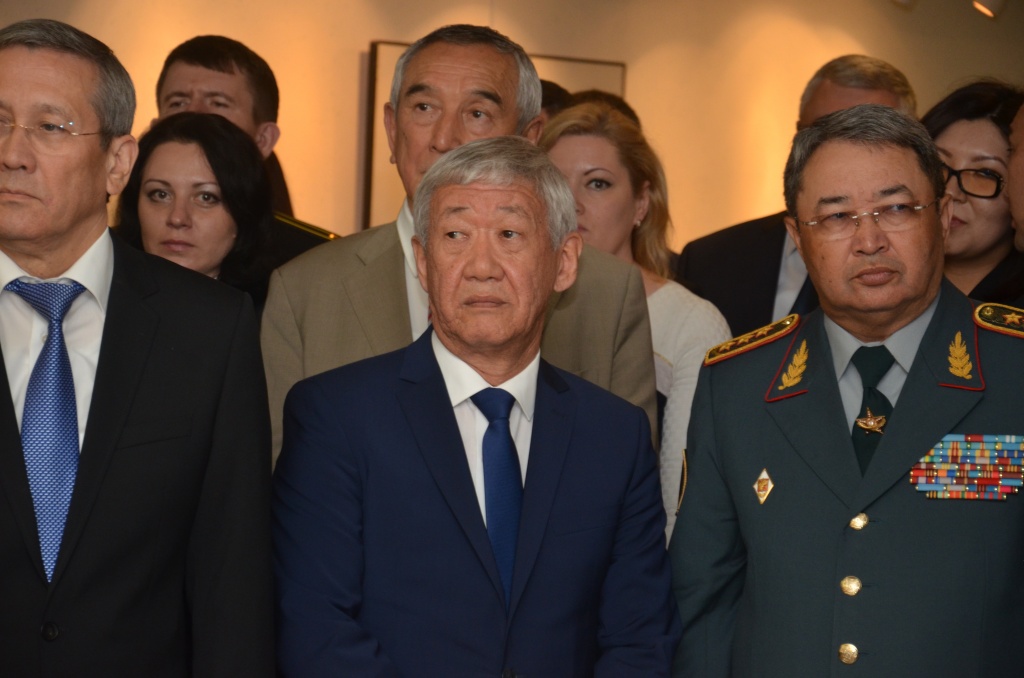
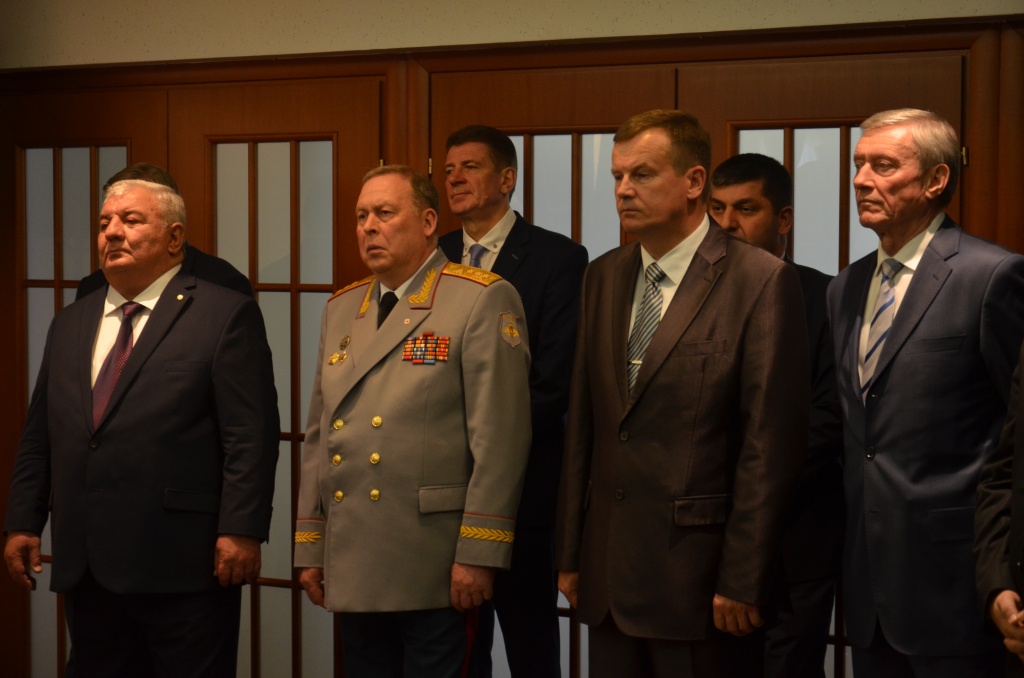
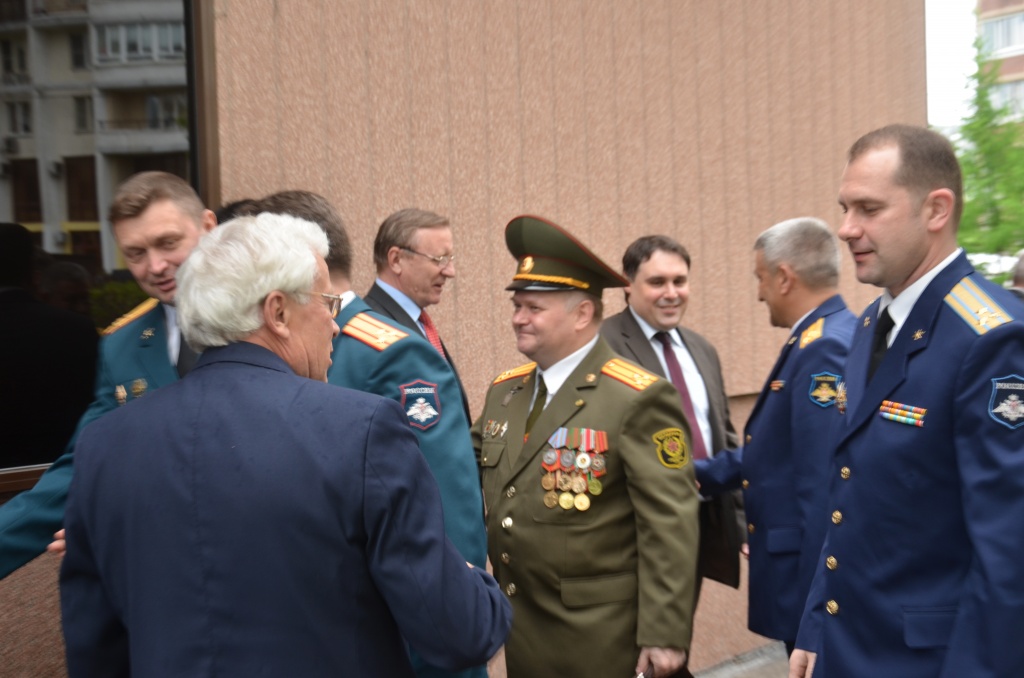
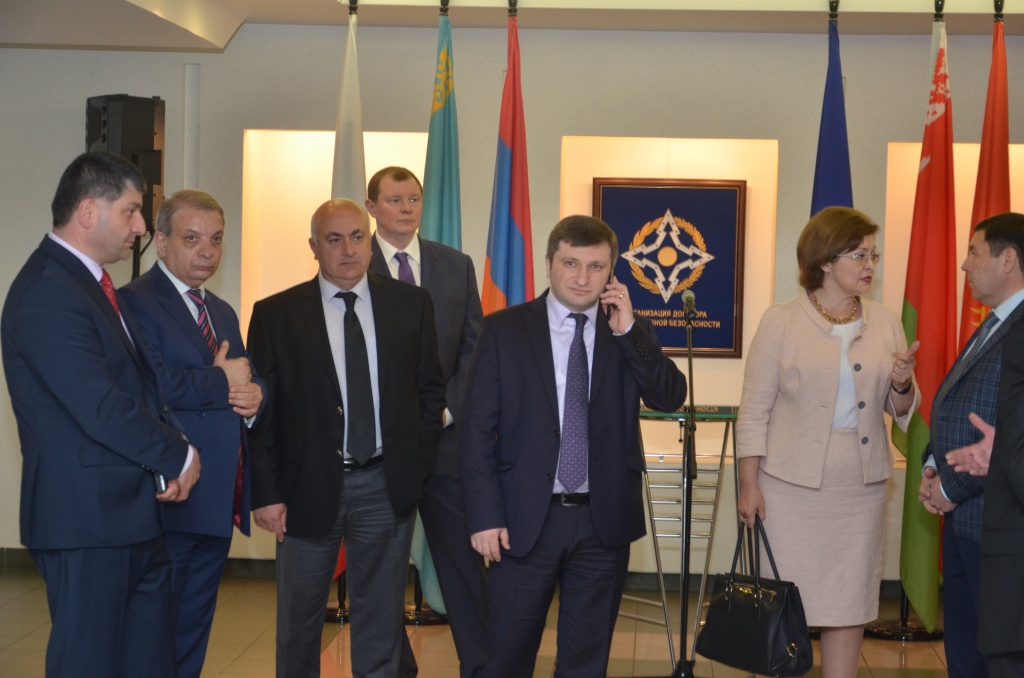
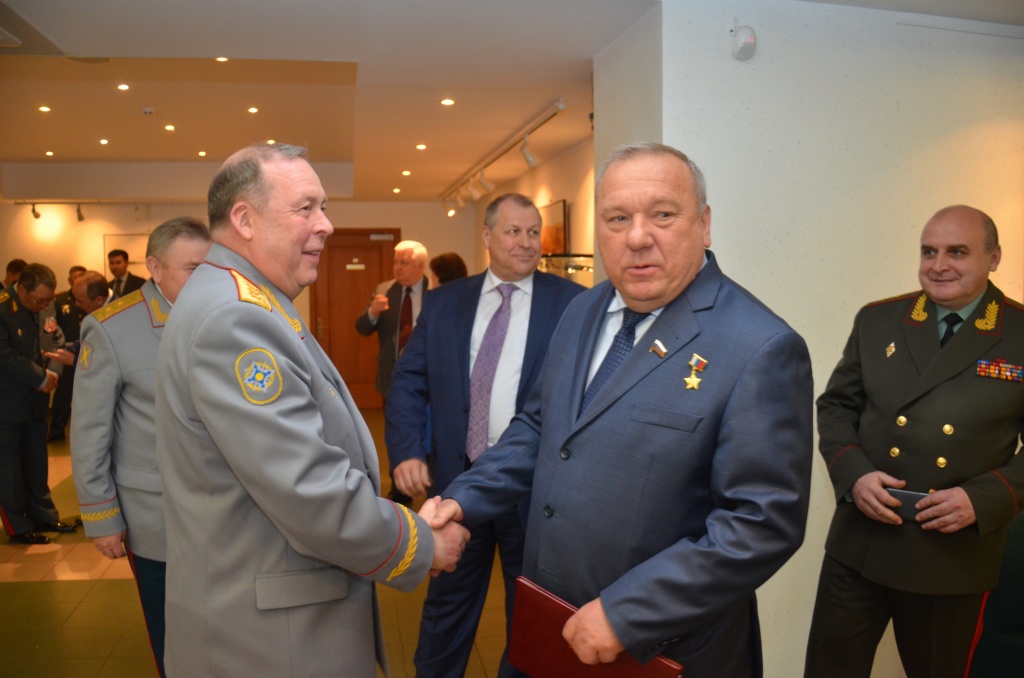
The event was attended by the defense ministers of the CSTO member states, deputy defense ministers of Russia and the foreign minister of Russia, permanent plenipotentiaries, heads of departments and organizations concerned, Secretariat staff and officers of the CSTO Joint Staff.