From October 13 to 16, 2025, the 23rd International Combat Sambo Tournament for the Cup of the Secretary General of the Collective Security Treaty Organization, featuring law enforcement personnel from CSTO member states, was held at the Ognikovo Park Hotel (19 Ognikovo, Istra District, Moscow Region).
Today, the final stages of the command-and-staff exercise with the CSTO Peacekeeping Forces “Indestructible Brotherhood-2026” and the special exercise with the CSTO joint NBC protection and medical support formation “Barrier-2026” took place at the Losvido and Starodorozhsky training ranges in the Republic of Belarus.
On October 15–16, a CSTO, CIS and SCO conference on security issues in Central Asia and Afghanistan was held in Moscow as part of Russia’s CSTO chairmanship programme.
At the Losvido training range in the Republic of Belarus, peacekeeping units repelled a simulated enemy attack on a humanitarian convoy during the command-and-staff exercise with the CSTO Peacekeeping Forces “Indestructible Brotherhood-2026”.
These days, the 23rd International Combat Sambo Tournament for the Cup of the Secretary General of the Collective Security Treaty Organization, featuring law enforcement personnel from CSTO member states, is being held at the Ognikovo Park Hotel (19 Ognikovo, Istra District, Moscow Region).
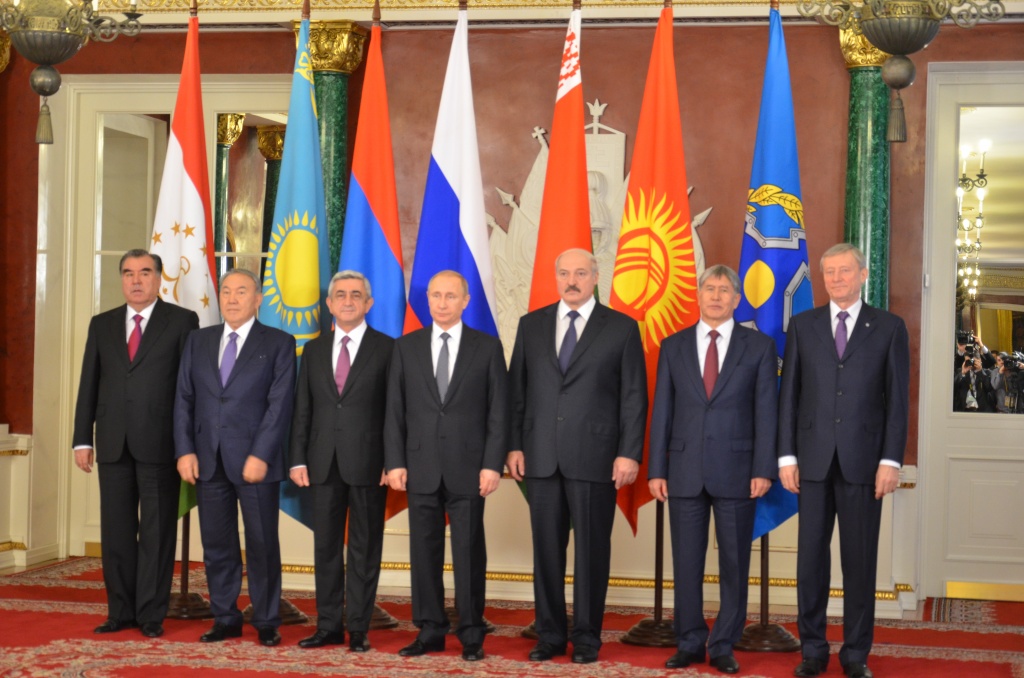
Session of the CSTO Collective Security Council December 23, 2014, Moscow
23.12.2014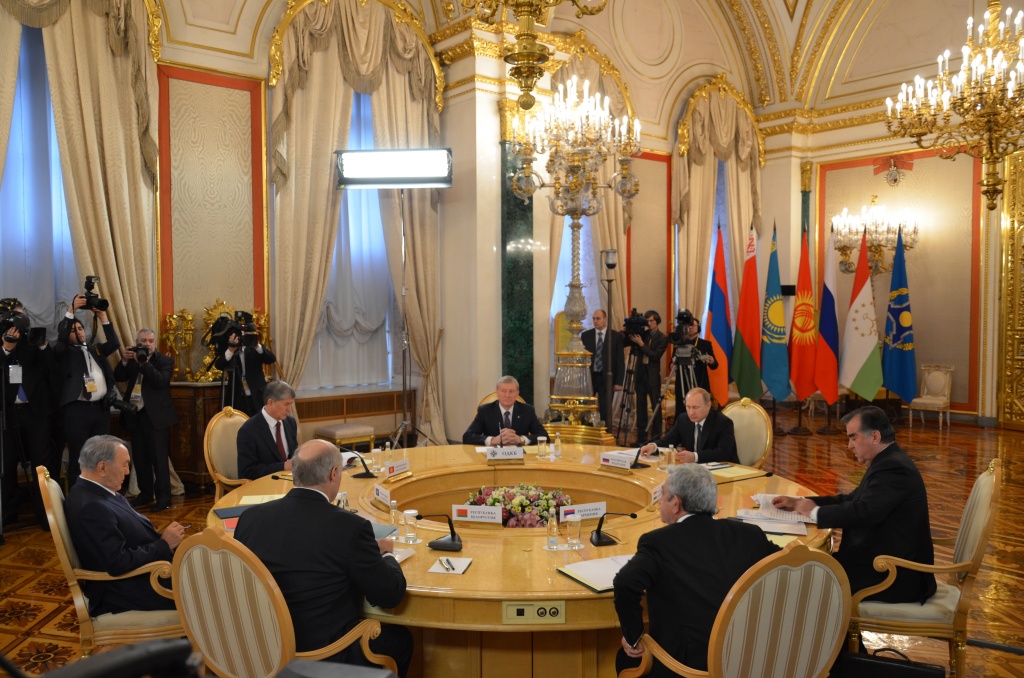
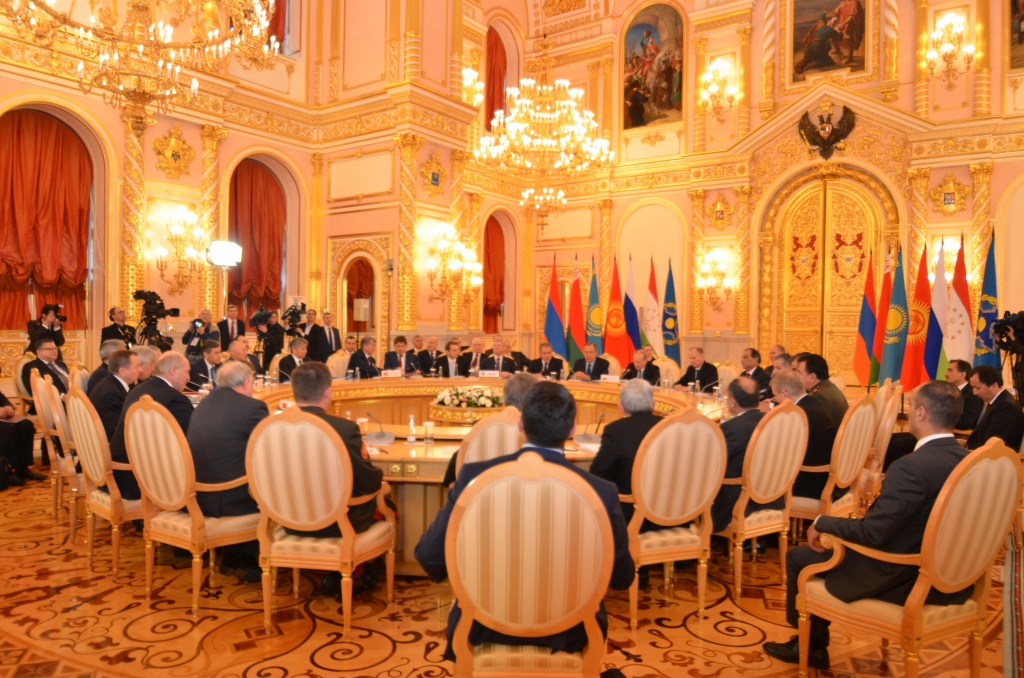
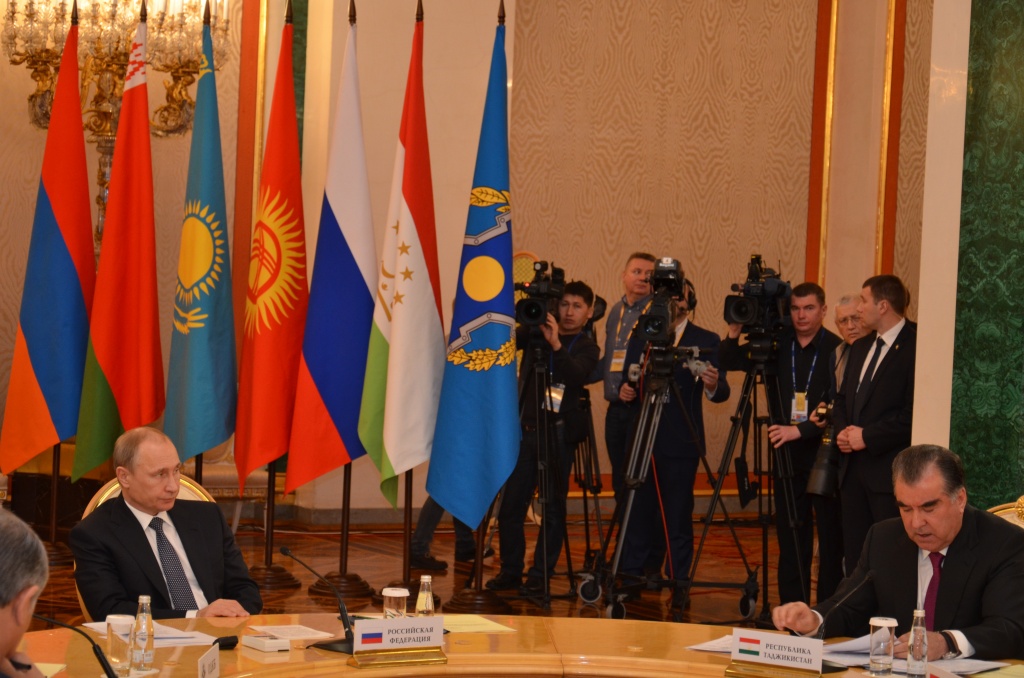
The December 2014 session of the CSTO Collective Security Council completed its work.
During the session and the preceding joint meeting of the Councils of Ministers of Foreign Affairs, Defense and the Committee of Secretaries of Security Councils of the Organization's member states, important issues of ensuring collective security in the current difficult international situation were considered.
“The priority theme of the session was the issue of the state and prospects of development of the CSTO crisis response system. Interim results of implementation of the CSC Decision of September 23, 2013 “On Assistance to the Republic of Tajikistan to Strengthen the Tajik-Afghan Border” were reported to the heads of state., The CSTO Secretary General Nikolai Bordyuzha summed up. (Photo gallery)
The session was traditionally held in a narrow and extended format. The meeting was opened by President of Russia Vladimir Putin, Russia presided over the CSTO in 2014. In particular, he noted that during the chairmanship of the CSTO, Russia paid the closest attention to strengthening the external borders of the Organization, improving the forces and means of collective response. “The efforts of the member states were aimed at improving operational and combat training of military and special units of the CSTO member states, and working out the interaction in peacekeeping operations was carried out,” said Vladimir Putin. President of the Republic of Tajikistan Emomali Rakhmon, who assumed the presidency of the Organization from the Russian Federation, outlined his vision for the priorities of the CSTO activities in 2015.
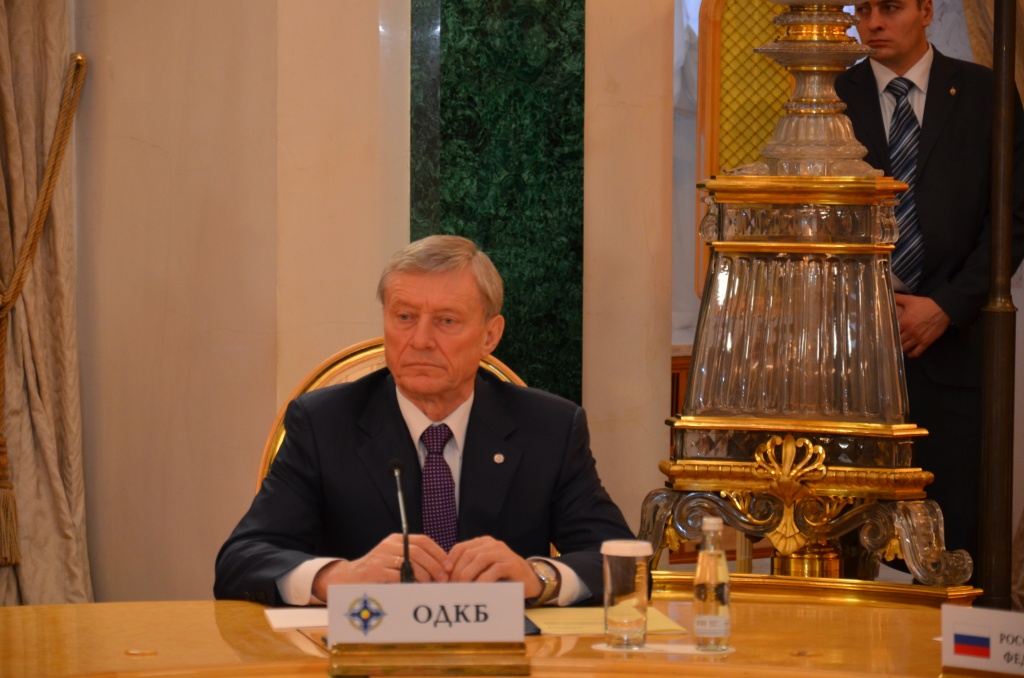
Following the session, a joint Statement of the Heads of State of the CSTO was adopted, which gave a comprehensive assessment of the complex international situation evolving around the Organization’s area of responsibility and the factors contributing to the further escalation of tension. They underscored the particular danger to the CSTO of the terrorist threat posed by well-organized, equipped and receiving financial support for extremist organizations and groups.
There was expressed general concern about the increasing incidences of blatant interference in the internal affairs of states in order to undermine stability in the post-Soviet space using the whole arsenal of means, including political, economic and informational pressure.
Serious attention of the heads of the CSTO member states is paid to the need to find effective solutions to the sluggish conflicts around Nagorno-Karabakh and Transdniestria, as well as to the early restoration of peace in Ukraine.
A willingness to continue collective efforts to counter such traditional threats and challenges as drug trafficking, illegal migration, and criminal activity in information networks has been declared.
Following the session, more than twenty joint documents were adopted regulating the collective activities of the CSTO on virtually the entire spectrum of security problems.
In particular, a decision was taken on the Collective Air Force of the CSTO - the most important element of the power component of the Organization, determining the degree of mobility of the Troops. The issues of optimization of the mechanisms of military-technical and military-economic cooperation are settled. The anti-drug strategy of the member states of the Organization has been adopted.
Optimized the decision-making mechanism of the Collective Security Council in the event of a crisis.
A strategically important decision was taken on the CSTO Computer Incident Response Coordination Center.
The agreement on preferential terms for the supply of special equipment and special means for equipping law enforcement agencies and special services of the CSTO member states is supplemented by provisions enabling to purchase rescue and special equipment for emergency situations units on preferential terms.
It was decided to hold the regular session of the Collective Security Council in the second half of 2015.
* * *
______________________________________________________CSTO spokesman Vladimir Zainetdinov
+ 7-495-795-27-10
+ 7-495-621-33-23-tel / fax
E-mail: odkb-pressa@gov.ru