Servicemen of the Combined Arms Army of the Central Military District (CMD) have arrived in the Republic of Belarus to take part in the command-and-staff exercise with the CSTO Peacekeeping Forces “Indestructible Brotherhood-2026” and the special exercise with the CSTO joint NBC protection and medical support formation “Barrier-2026”.
On October 7, 2026, the Fourth Counter-Terrorism Forum opened in Minsk (Republic of Belarus), bringing together the CIS Conference on Countering Terrorism and Extremism, the SCO Regional Anti-Terrorist Structure international scientific and practical conference, and joint counter-terrorism exercises.
October 7 marks the 24th anniversary of the signing of the Charter of the Collective Security Treaty Organization, which formalized the establishment of the CSTO as an international regional organization. The goals set out in the document, including strengthening peace and stability and collectively protecting the independence, territorial integrity and sovereignty of the member states, remain the foundation for developing mutually beneficial, truly allied cooperation. On this basis, the Russian Federation is chairing the CSTO in 2026 under the motto “Collective security in a multipolar world: a common goal, shared responsibility.”
The CSTO Coordinating Council of the heads of the anti-drug departments at a meeting in Moscow discussed the drug situation in countries bordering the Organization’s area of responsibility and the problem of expanding drug production in Afghanistan
 23.10.2019
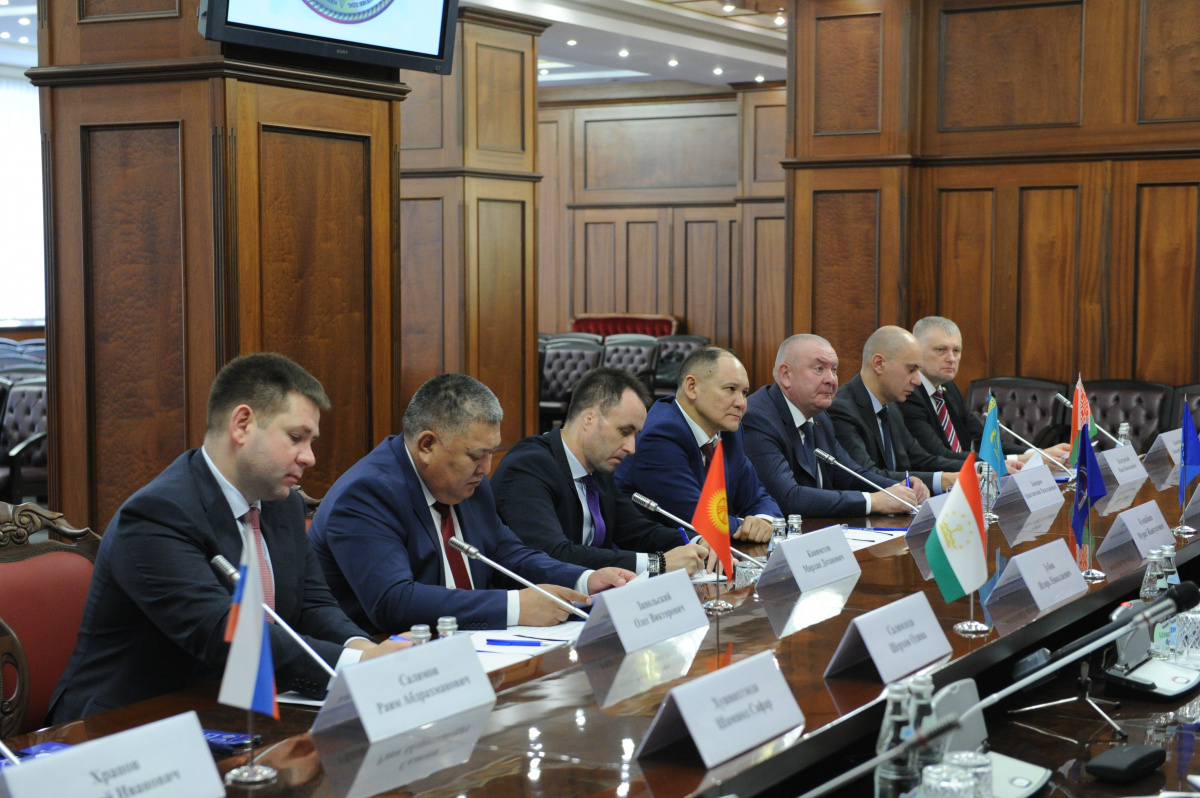
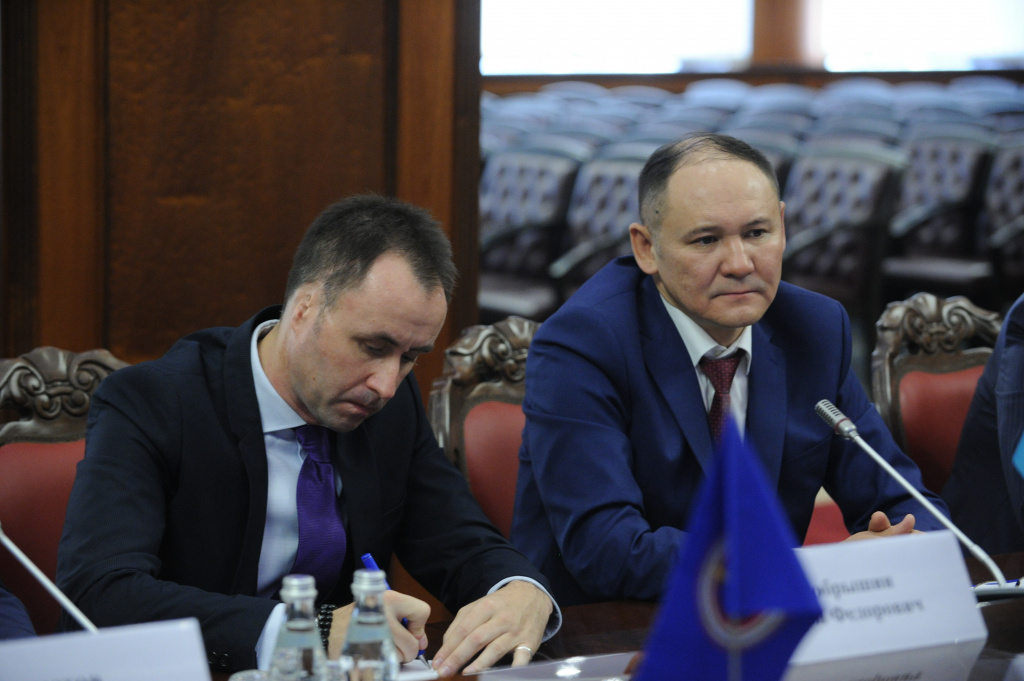
On October 23, 2019, in Moscow, under the chairmanship of State Secretary and Deputy Minister of Internal Affairs of the Russian Federation Igor Zubov, the twenty first meeting of the the Coordination Council of the heads of the competent authorities to combat illicit drug trafficking of the Collective Security Treaty Organization (CSTO) member states was held.
A delegation of the competent authorities of the CSTO member states took part in the meeting of the Coordination Council of the heads of the competent authorities to combat illicit drug trafficking. During the meeting, the participants of the Coordination Council of the heads of the competent authorities to combat illicit drug trafficking positively assessed the results of the work done in the reporting period and emphasized the need to maintain the established anti-drug course of the CSTO member states.
 The parties affirmed the need for further joining of efforts in order to have a comprehensive impact on the drug environment, including striving to reduce drug production and increase the effectiveness of drug use prevention. The importance of continuous monitoring of the drug situation and the results of law enforcement activities was also emphasized.
According to the meeting participants, the growing drug production in Afghanistan remains a significant problem in the CSTO area of responsibility, especially the growth of cultivated areas of opium poppy in the northern provinces bordering directly on the CSTO member states.
The situation is aggravated by the growth in the production and distribution of synthetic drugs of the amphetamine and methamphetamine groups, psychotropic drugs and new dangerous psychoactive substances, a significant part of which comes from Southeast Asia, countries of Eastern Europe and Ukraine.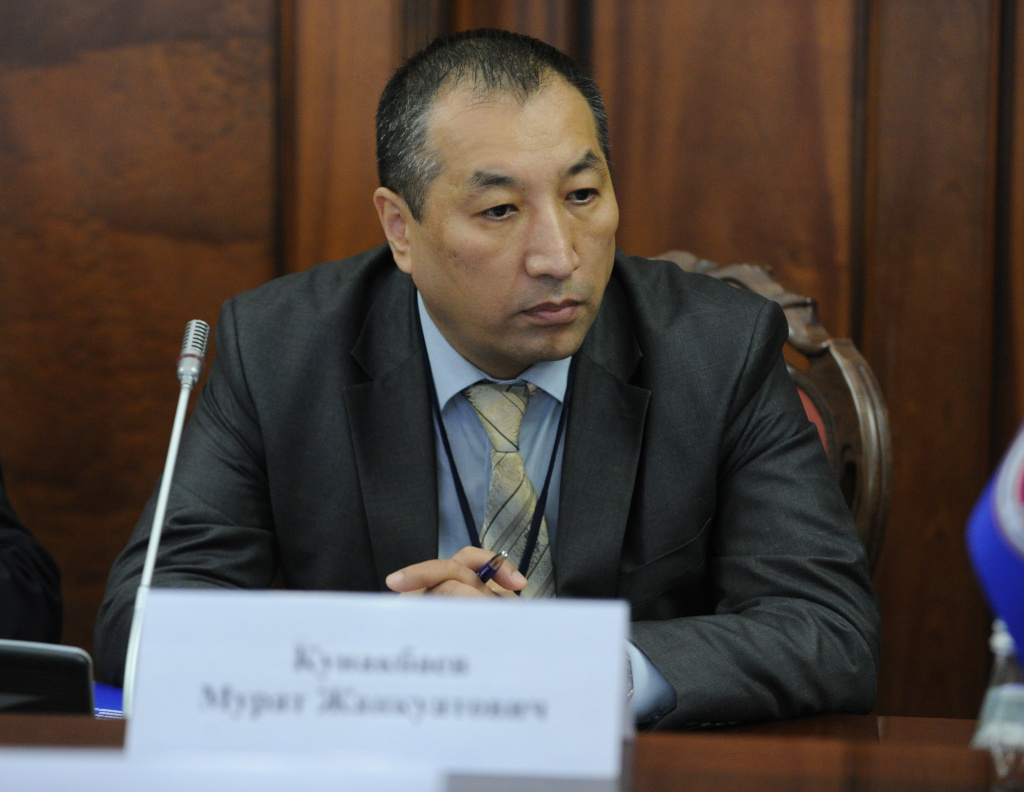
The meeting heard information on the results of the international anti-drug operation "Canal-Center" (Alma-Ata, the Republic of Kazakhstan), the sub-regional anti-drug operation "Canal-Caucasian Redoubt" (Yerevan, the Republic of Armenia) and the tactical and special trainings "GROM-2019" (Balykchi , the Kyrgyz Republic).